The first photo decides everything
People don't buy square metres. They're looking for a home to fall in love with. In the first 3 seconds a person either opens your listing or scrolls past — and one thing decides it: the cover photo.
A strong cover photo lifts the response to a listing to almost 97% — regardless of price. A good shot sells even an expensive property. A weak one “kills” even a bargain.
The same apartment. Two different outcomes.
Below is one room, shot two ways. The difference isn't the renovation or the price. The difference is what the buyer's brain sees in the first second.
 How NOT toHow to
 On the left, visual noise — towels, mugs, boxes, clouds and grey street light in the window — steals attention and screams “it's cramped and gloomy here”. On the right, the same room in warm daytime sunlight — and the brain fills in: “I want to move in tomorrow”.
We get it: you want to sell the apartment here and now. But one bad photo stretches the sale into weeks — while preparing the apartment for the shoot takes just 10 minutes.
The cover photo is a storefront, not a report
It should spark desire, not list facts. The buyer will look at the layout and floor area later — if you hook them with emotion first. Here's how to get the most out of the first shot:
Got a beautiful view — shoot it
A sunset from the window, mountains, the sea — make that your cover shot, even from the kitchen. A view sells an emotion money can't buy: a person falls in love before they even open the floor plan.
No view — create a mood
Just a nice modern renovation? Add life: a vase of flowers or a green plant on the table, a soft throw on the sofa. The brain completes the picture: “it's warm and cosy to live here”.
Remove all the visual noise
Mugs, socks, towels, boxes, cables, magnets on the fridge. Every extra object steals attention from the main thing. Empty surfaces read to the brain as space and abundance.
Angle — show the space, not the ceiling
The cover photo hooked them — the person opened the listing. Now every detail works: the view from the window, the furniture, the appliances, the balcony, the building itself from outside. And the first thing that decides each shot is the angle. From a bad angle a room looks cramped and crooked; from the right one — spacious and expensive.
 How NOT toHow to
 On the left the camera is “tilted” and looking down, the walls are crooked, the light is gloomy — the room looks cramped and cheap. On the right, a level shot from chest height: you see the furniture, floor, ceiling and window — the space reads as big and expensive.
Shoot from chest height
Hold the phone at about 1.3 m and parallel to the floor. That keeps the walls vertical and the room spacious. Shooting downward “tilts” the perspective and steals volume.
Stand in the corner of the room
Shoot diagonally from a corner — two walls, the floor and the ceiling all land in the frame. The brain instantly reads the real size and layout instead of guessing what's beyond the edge.
Keep the horizon level
Crooked lines read as “shot on the run”. Straight verticals and a level horizon = a sense of quality and care. Turn on the grid and level in your phone camera — it's 2 seconds.
Strengths — every room has its own hook
Every room has the thing people fall for: the kitchen sells capacity and appliances, the bedroom — comfort and a view, the hallway — storage, and the building outside — status. Don't “photograph the room” — pull its strength to the front.
Kitchen — capacity and appliances
 How NOT toHow to
 On the left, crumbs, a dirty plate and flour steal attention — the kitchen looks cramped and neglected. On the right, the same angle, but a slightly open dishwasher, a tap turned toward the frame and an open fridge say without words: “there's every appliance here, and plenty of room”.
Bedroom — comfort and a view
 How NOT toHow to
 On the left, dim light and scattered things — the bedroom looks unlived-in. On the right, warm lamps by the headboard, flowers on the nightstand, an air conditioner on the wall and a mountain view in the window — the brain fills in: “I'll truly rest here”.
Hallway — storage
 How NOT toHow to
 The hallway is often shot “to tick the box”. A mistake: a large wardrobe and a clear passage answer the buyer's main question — “where do I put all my things”. A door left ajar into the depth adds a sense of space.
The building outside — status
 How NOT toHow to
 A façade on an overcast day is grey and lifeless. The same building in clear weather, shot level and in full, reads as reliable and expensive — trust grows before the person has even stepped inside.
The rule is simple: one hero per shot. Find the room's strength and show it so it can't be missed.
The bathroom — not an afterthought, but a strong argument
Many shoot the bathroom on the run. A mistake: statistically it's one of the most visited rooms in a home — right after the bedroom. The buyer will definitely open it. A couple of tricks turn a cramped bathroom into a spacious one.
 How NOT toHow to
 On the left it's cramped and gloomy: the lid up, the shower closed, bottles on show. On the right, the same bathroom — the mirror reflects the space, the lid is down, the shower door is ajar: the room reads as spacious and tidy.
The mirror is your friend
Catch the mirror in the frame: the reflection visually doubles the space and honestly shows the room's real size. Just make sure you and your phone aren't in the reflection.
Close the toilet lid
A lowered lid removes the main “irritant” from the frame — and the eye glides calmly over a clean, bright bathroom instead of stumbling.
Open the shower cabin a little
A slightly open door shows the volume inside, not “glass tightness”. Sell space, not boundaries — and clear all the bottles off the shelves.
Two apartments. One price. A different outcome.
Swipe through both galleries — it's the same apartment, shot two ways. First “how not to”: dim, cramped, rushed. Then “how to”: bright, spacious, with love for the details.
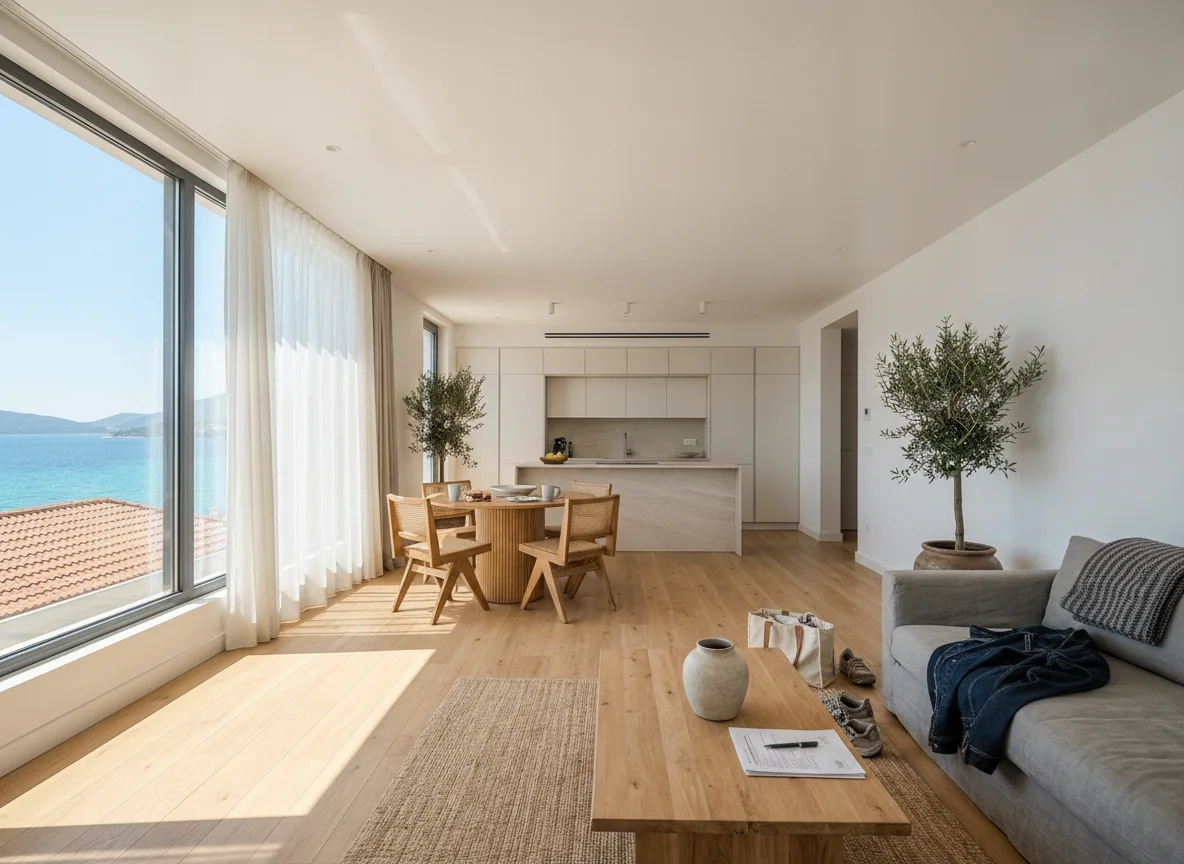
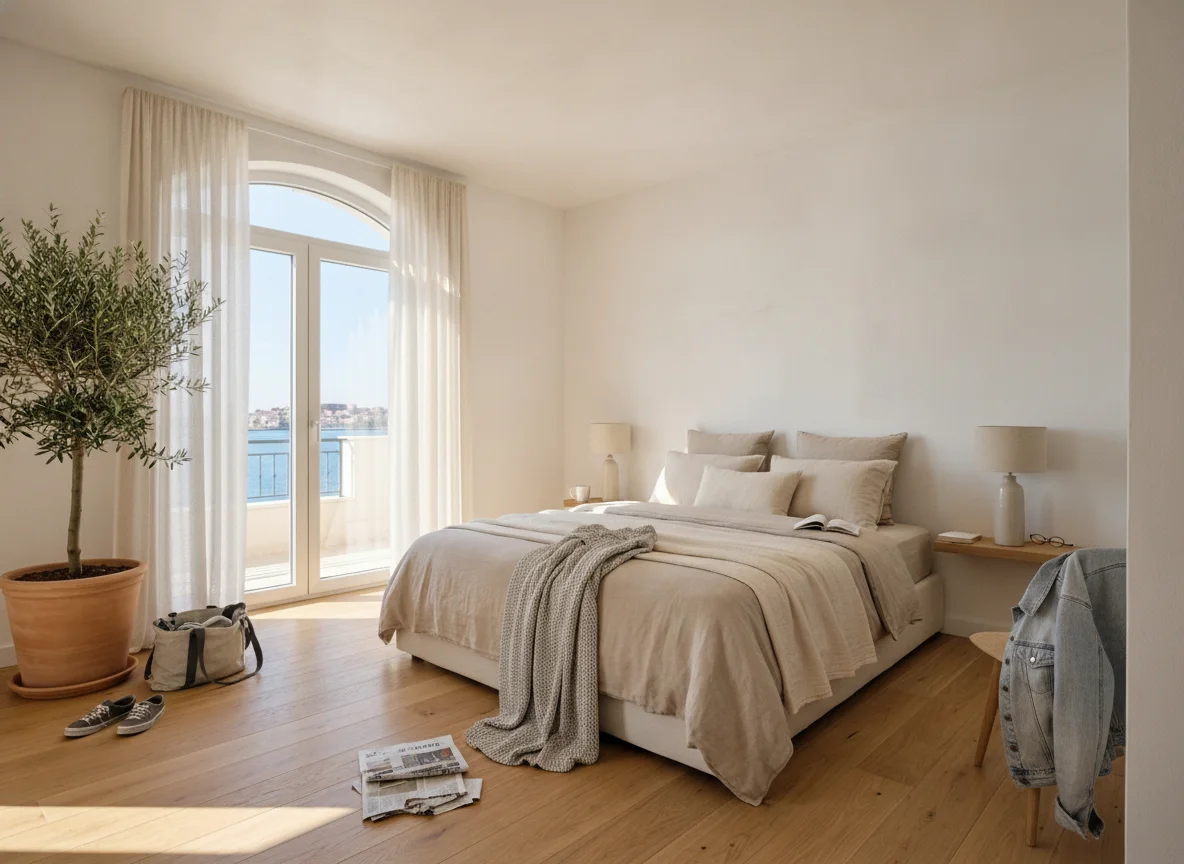
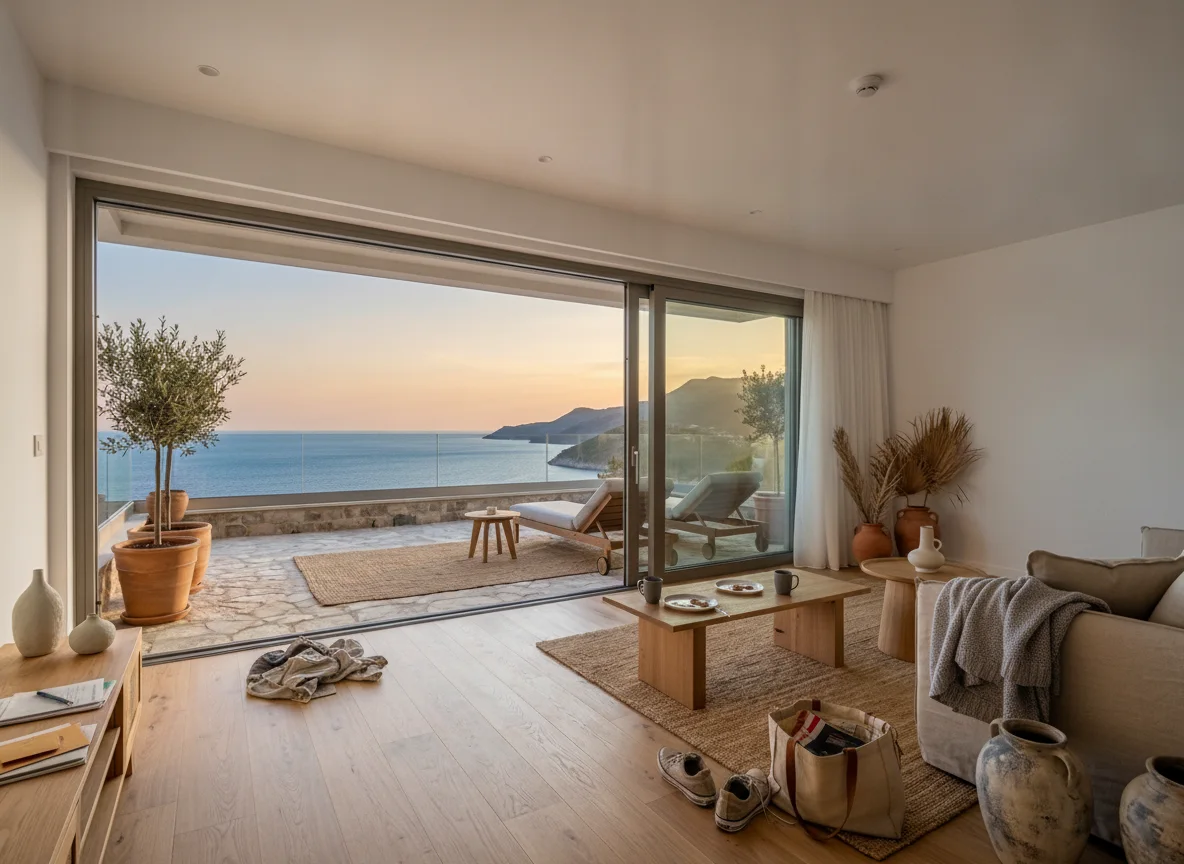
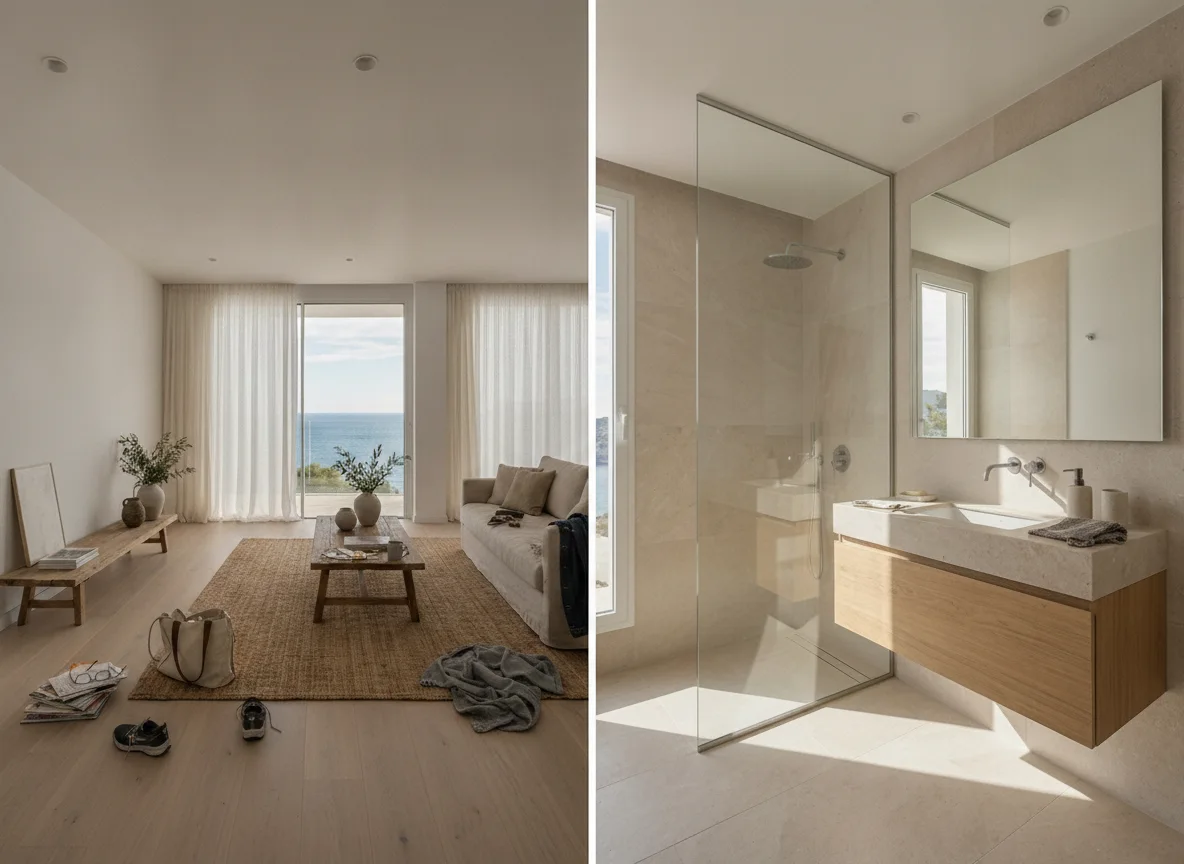
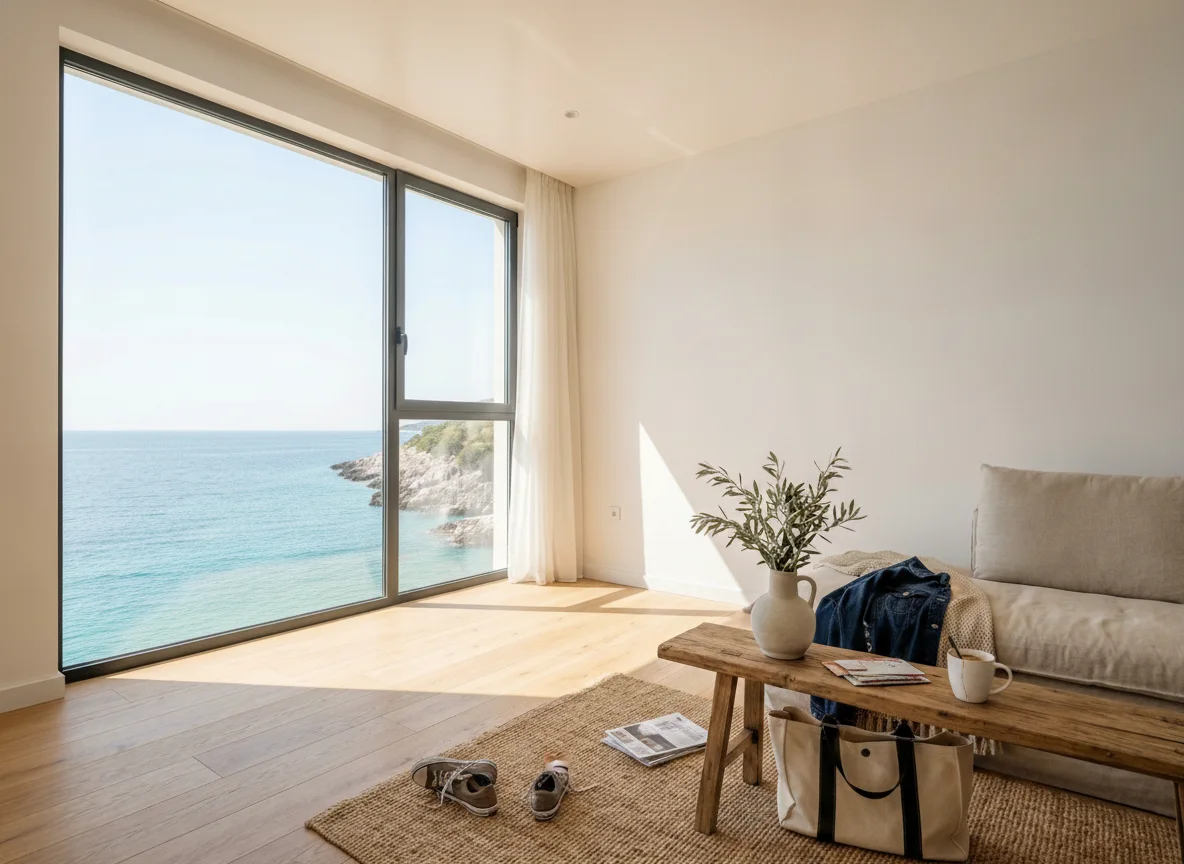
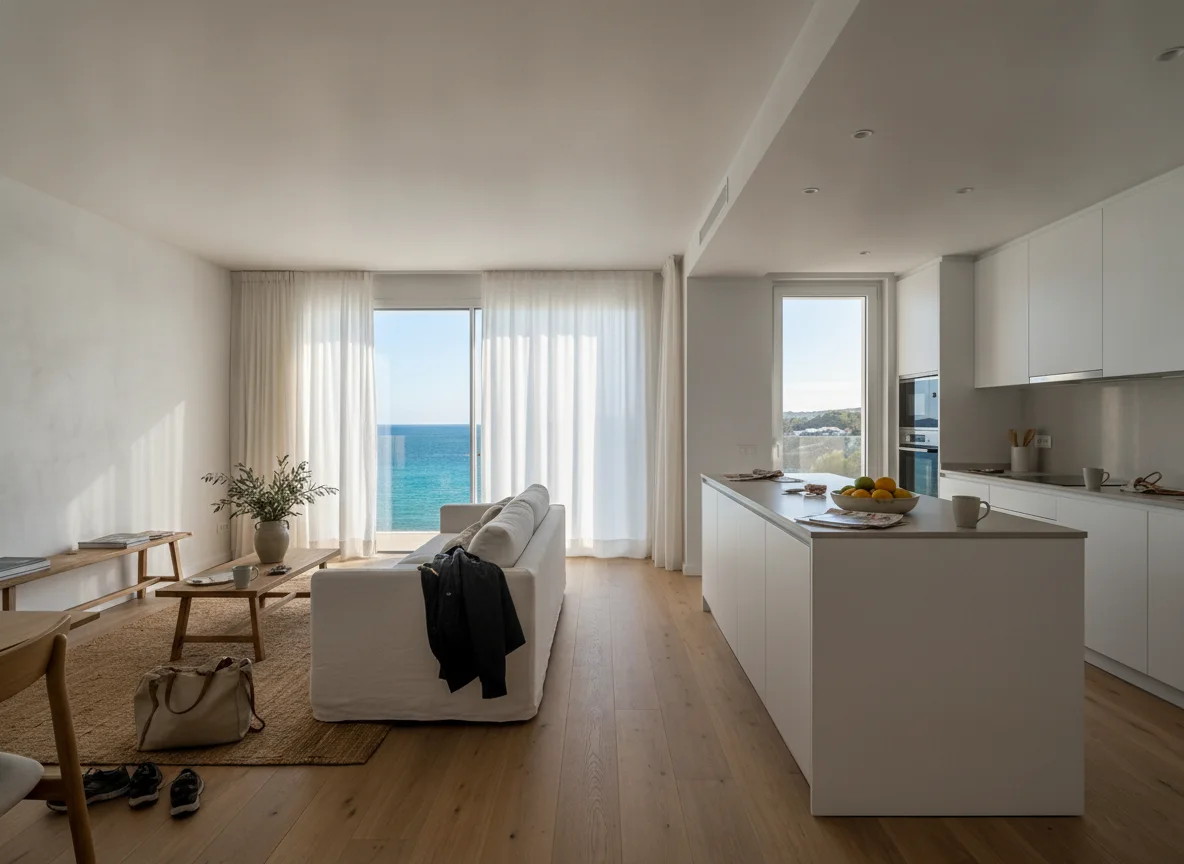
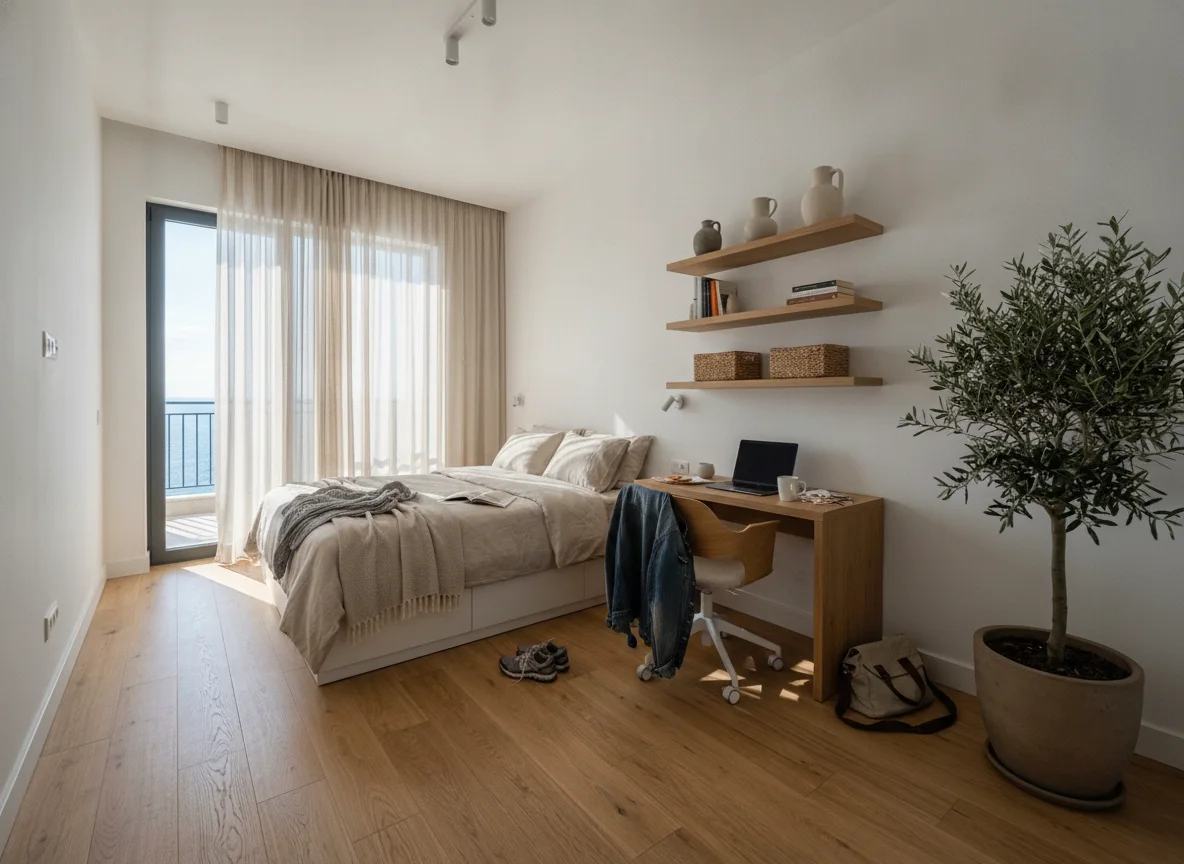

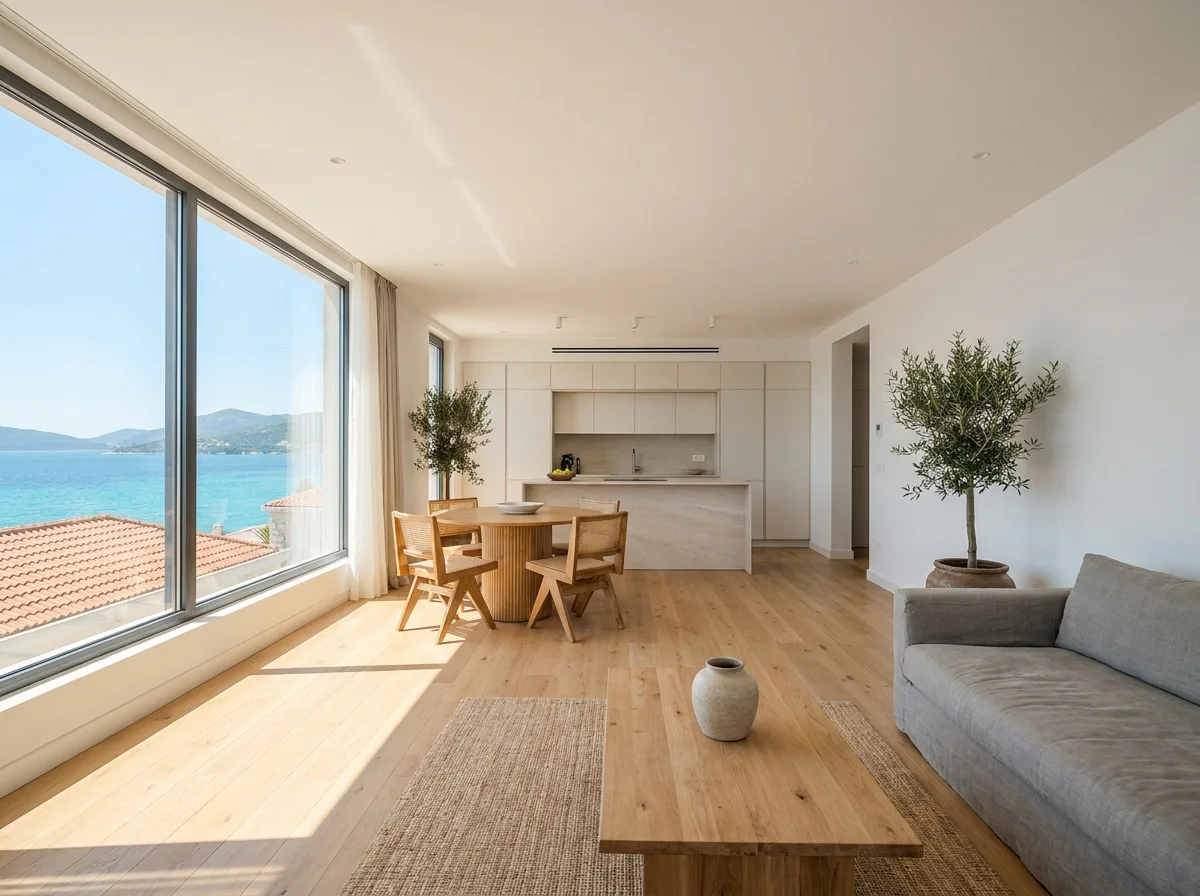
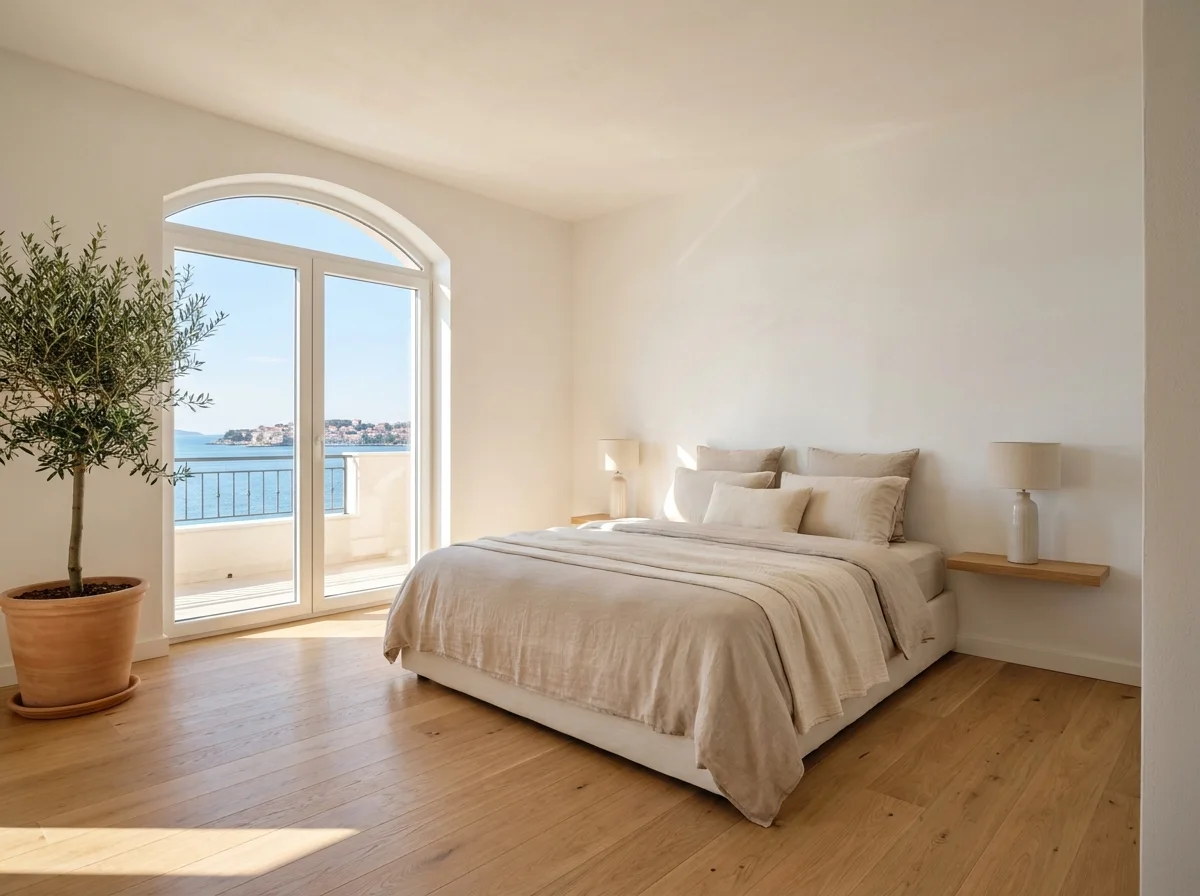
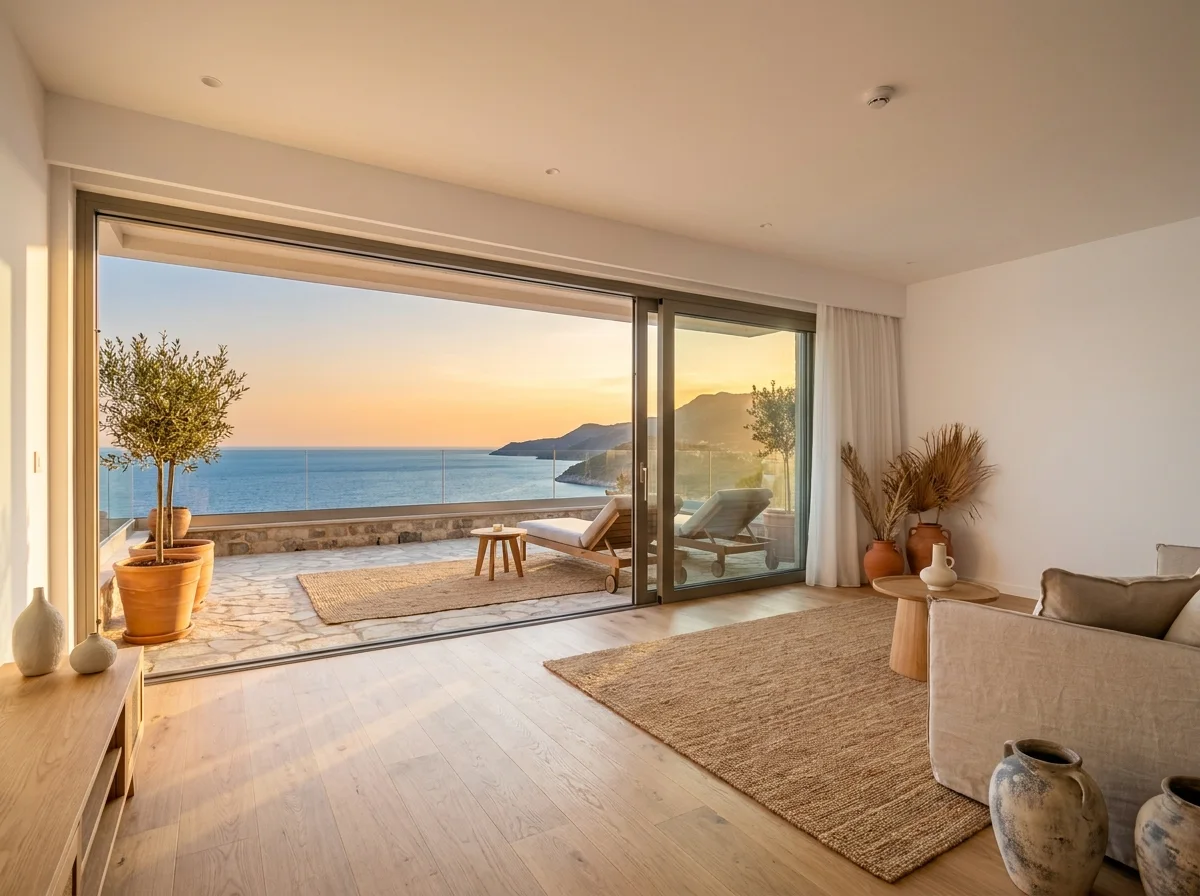
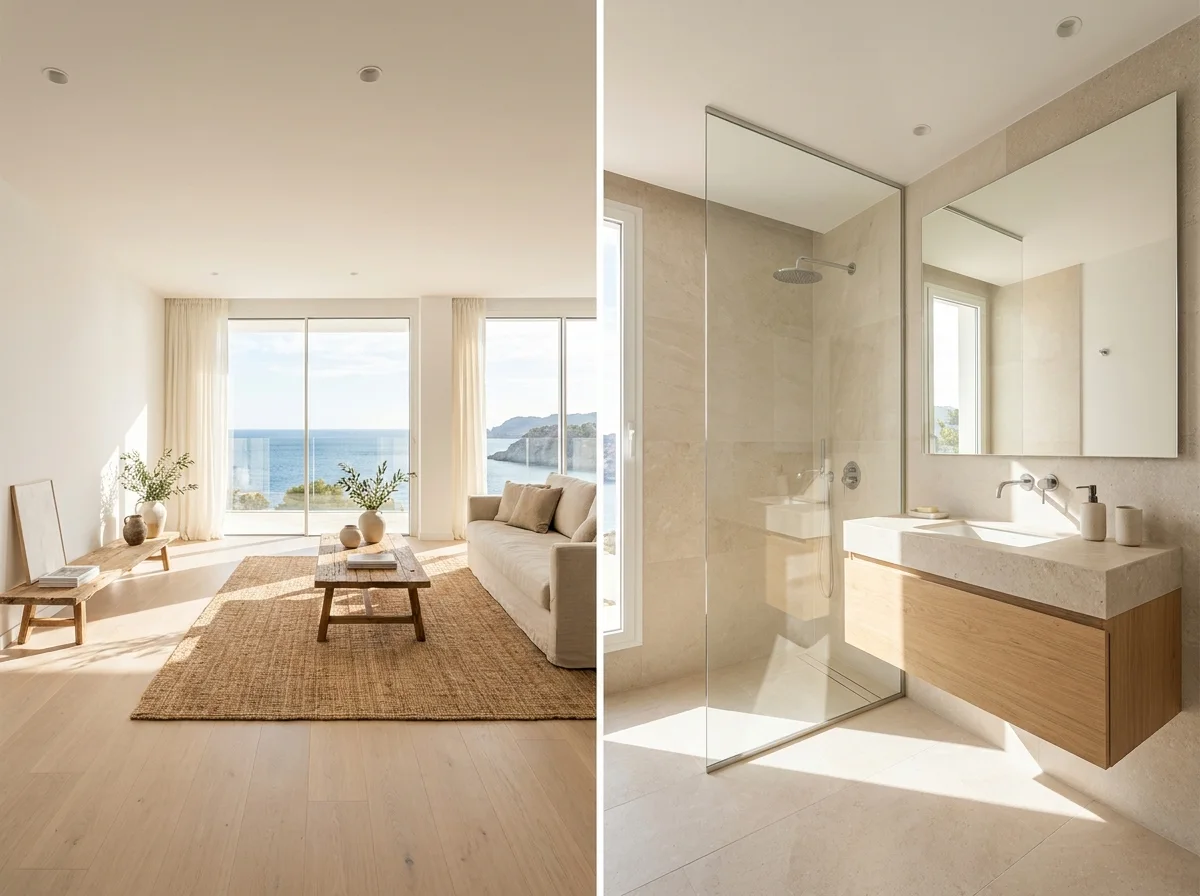
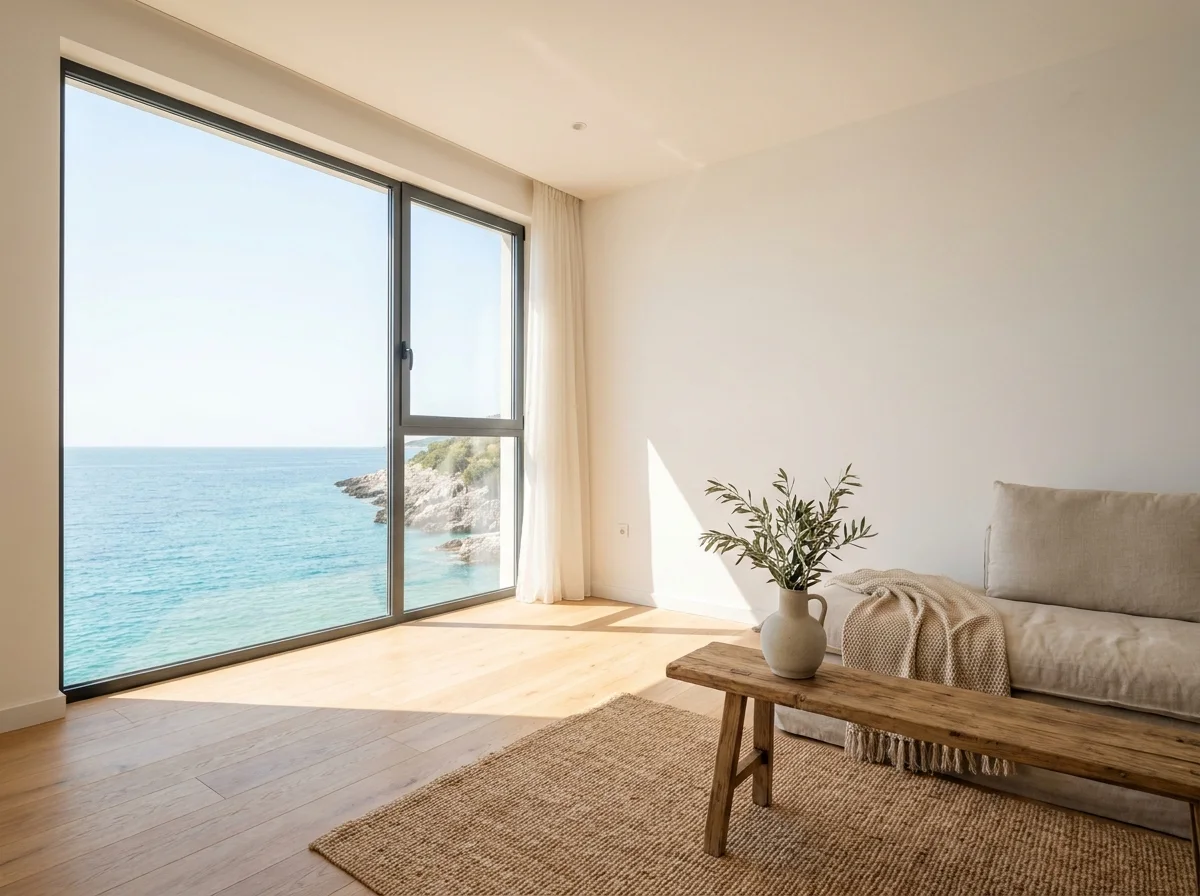
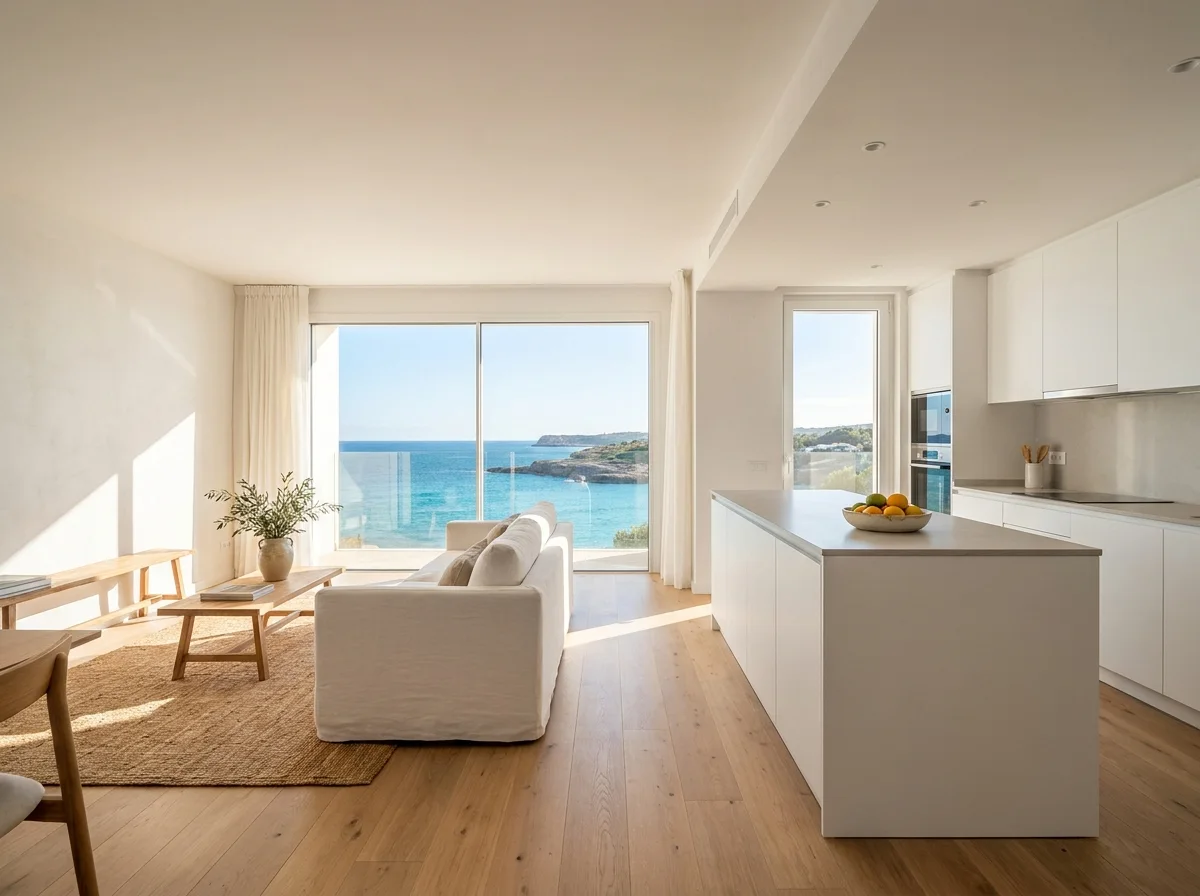
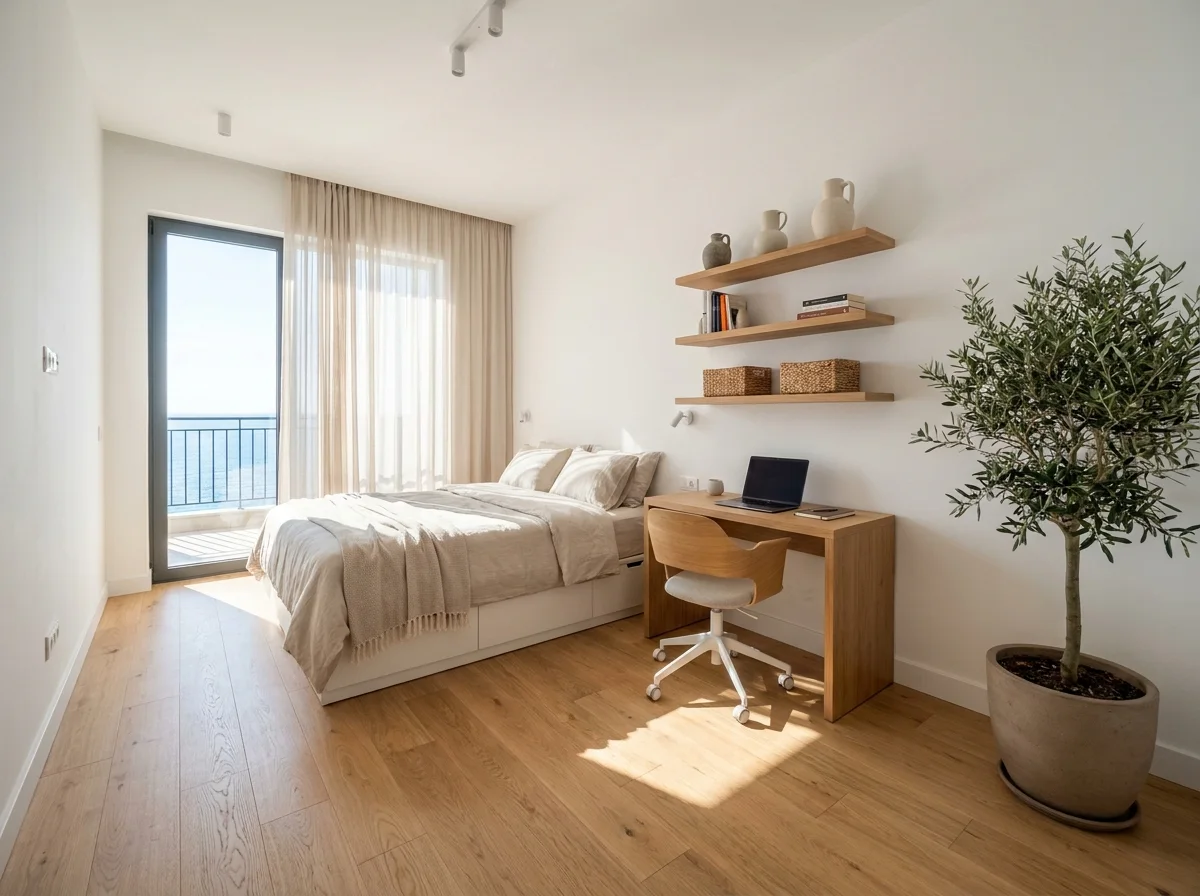

Both have the exact same price. But which apartment would you buy?
Thank you for your attention.
The Lemexi team — with love and care.